
By Auréline Magazine
Background & Early Life
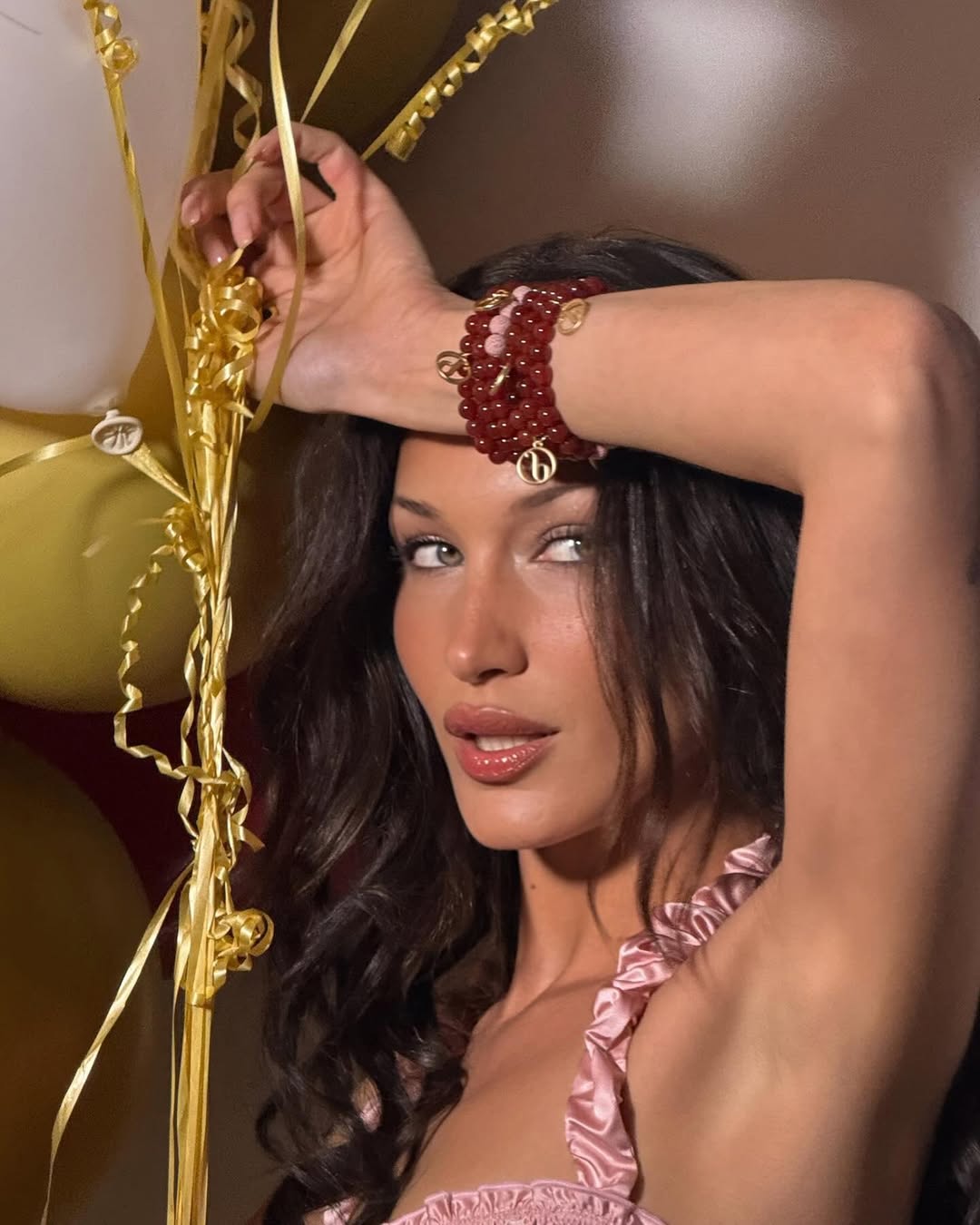
Bella Hadid was born Isabella Khair Hadid on October 9, 1996, in Washington, D.C., into a world that balanced privilege with pressure. Raised between California and New York, she grew up in an environment shaped by global influence, creativity, and high expectations. While her mother, Yolanda Hadid, introduced her early to the fashion world, Bella’s upbringing was far from effortless glamour. Discipline, structure, and personal struggle defined her formative years.
Before fashion fully claimed her, Bella trained intensely as an equestrian, harboring Olympic aspirations. That early commitment to sport instilled a physical awareness and mental resilience that would later become unmistakable on the runway precision in movement, control in posture, and endurance under pressure.
The Rise of a Fashion Force
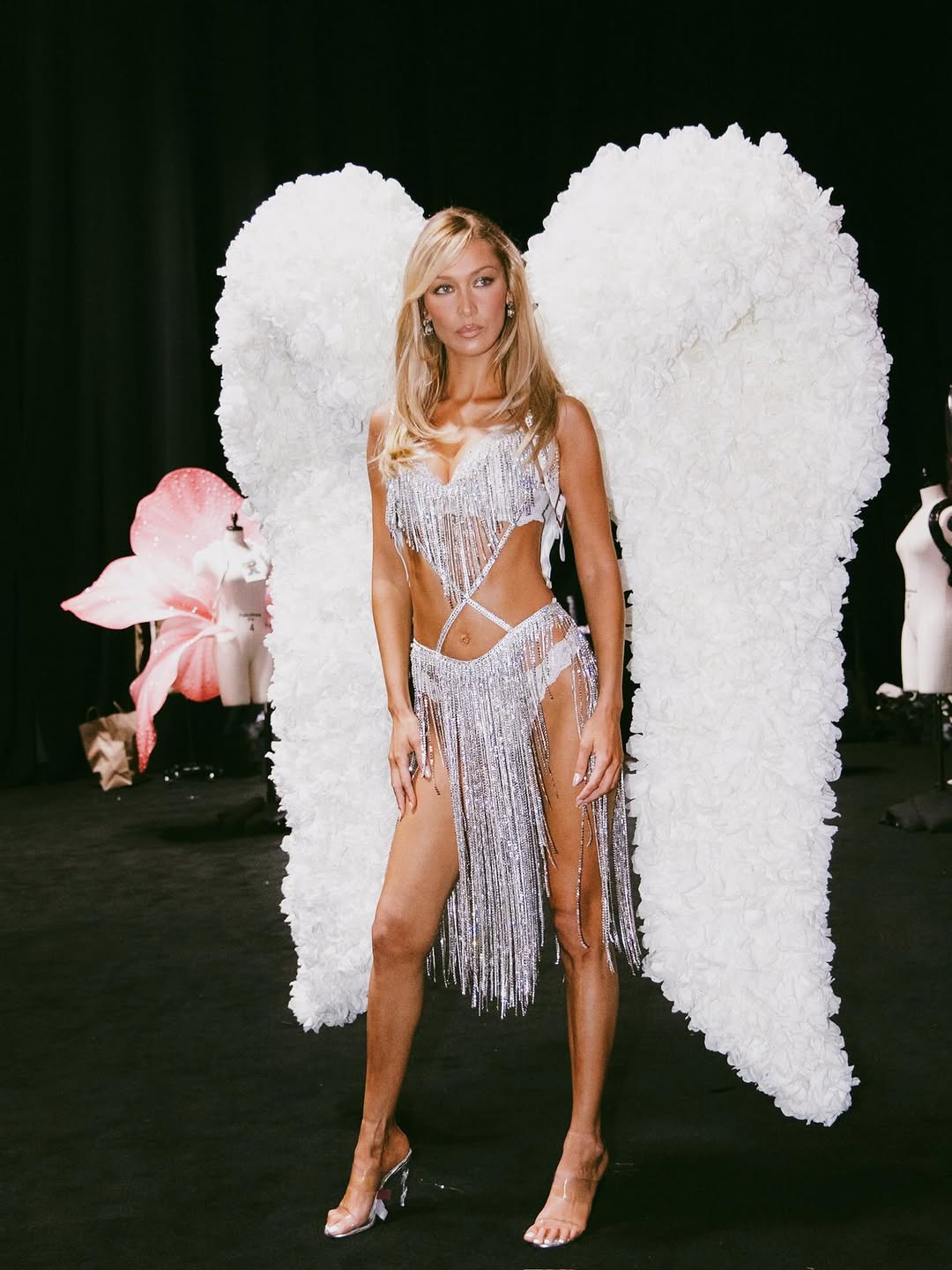
Bella entered the modeling industry determined to carve her own identity. Her early years were marked by relentless casting calls, rejection, and self doubt an initiation few acknowledge publicly. Yet her persistence reshaped her trajectory. Designers soon recognized her rare ability to adapt, transform, and command attention without excess.
Her breakthrough came not from being familiar, but from being distinct. Bella’s sharp features, architectural bone structure, and emotional range made her a canvas for high fashion’s most ambitious visions. She quickly became a fixture on the runways of Paris, Milan, and New York, walking for houses such as Dior, Versace, Mugler, Givenchy, and Balenciaga.
From Runway Presence to Editorial Power
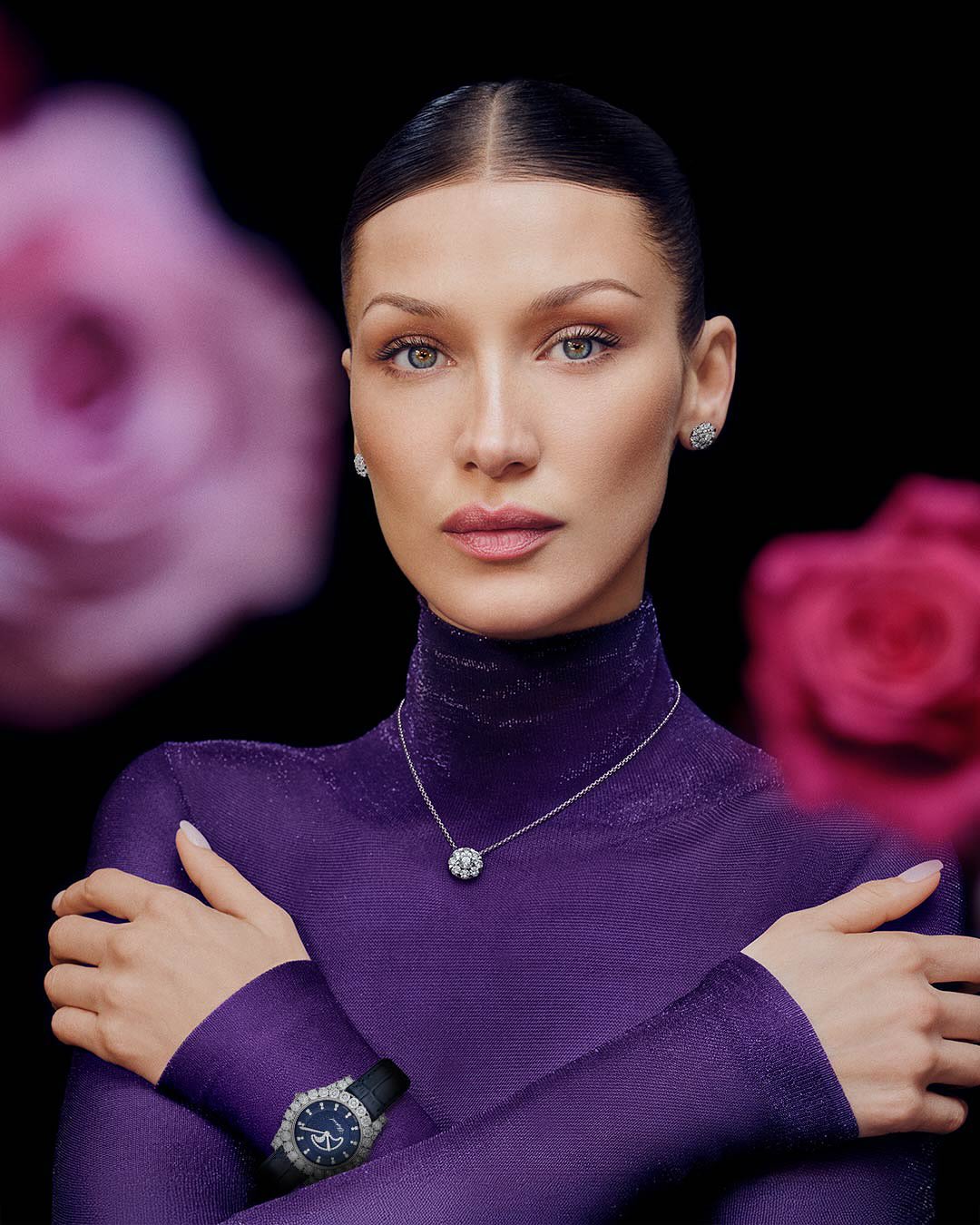
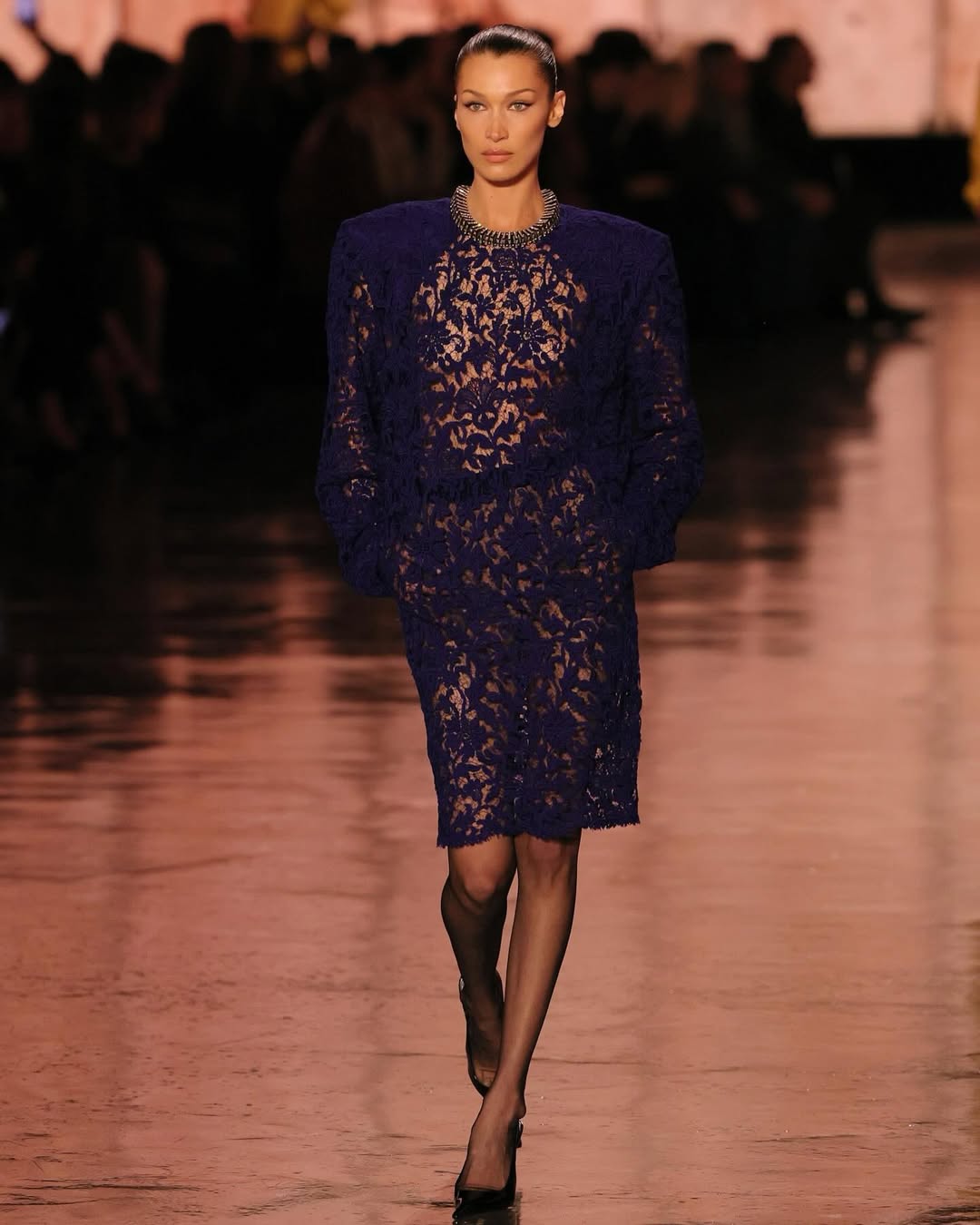
What distinguishes Bella Hadid is not visibility, but versatility. On the runway, she is fierce and controlled each step deliberate, each glance intentional. In editorials, she becomes something entirely different: melancholic, abstract, cinematic. Photographers do not simply shoot Bella; they collaborate with her.
Her editorial work has graced the covers of Vogue, Harper’s Bazaar, i-D, and W Magazine, often blurring the lines between fashion imagery and fine art. Bella does not model clothing; she inhabits it, transforming garments into emotional statements.
Fashion, Vulnerability, and Cultural Relevance
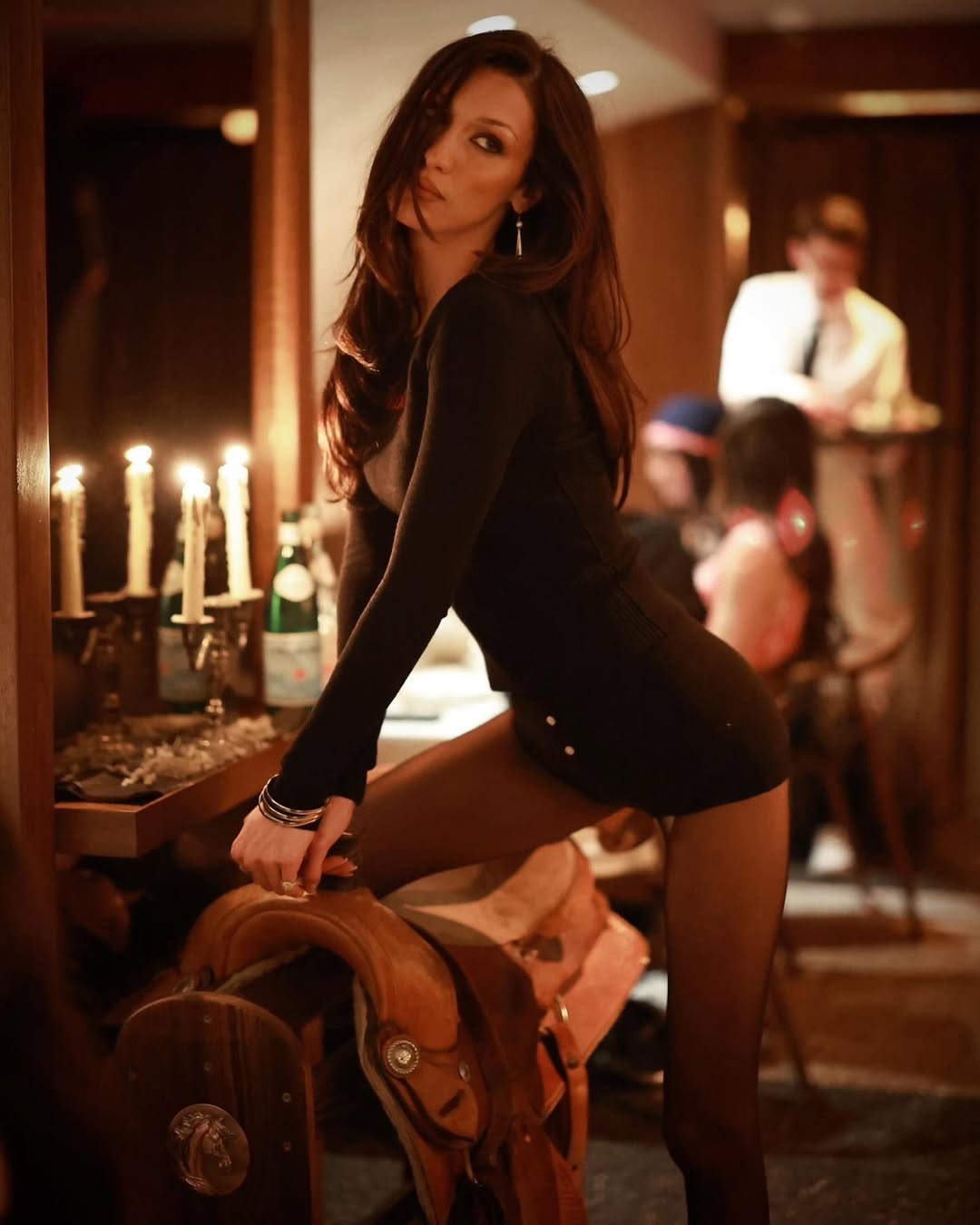
In an industry that often demands perfection, Bella Hadid has redefined strength through vulnerability. She has spoken openly about mental health, identity, and the emotional cost of public life, challenging the myth of the untouchable supermodel. This transparency has deepened her connection with a generation seeking authenticity over illusion.
Her openness has reshaped the narrative around beauty, proving that fragility and power are not opposites but companions. Bella’s influence now extends beyond fashion into culture, wellness, and self-expression.
Style Identity: A Modern Archive
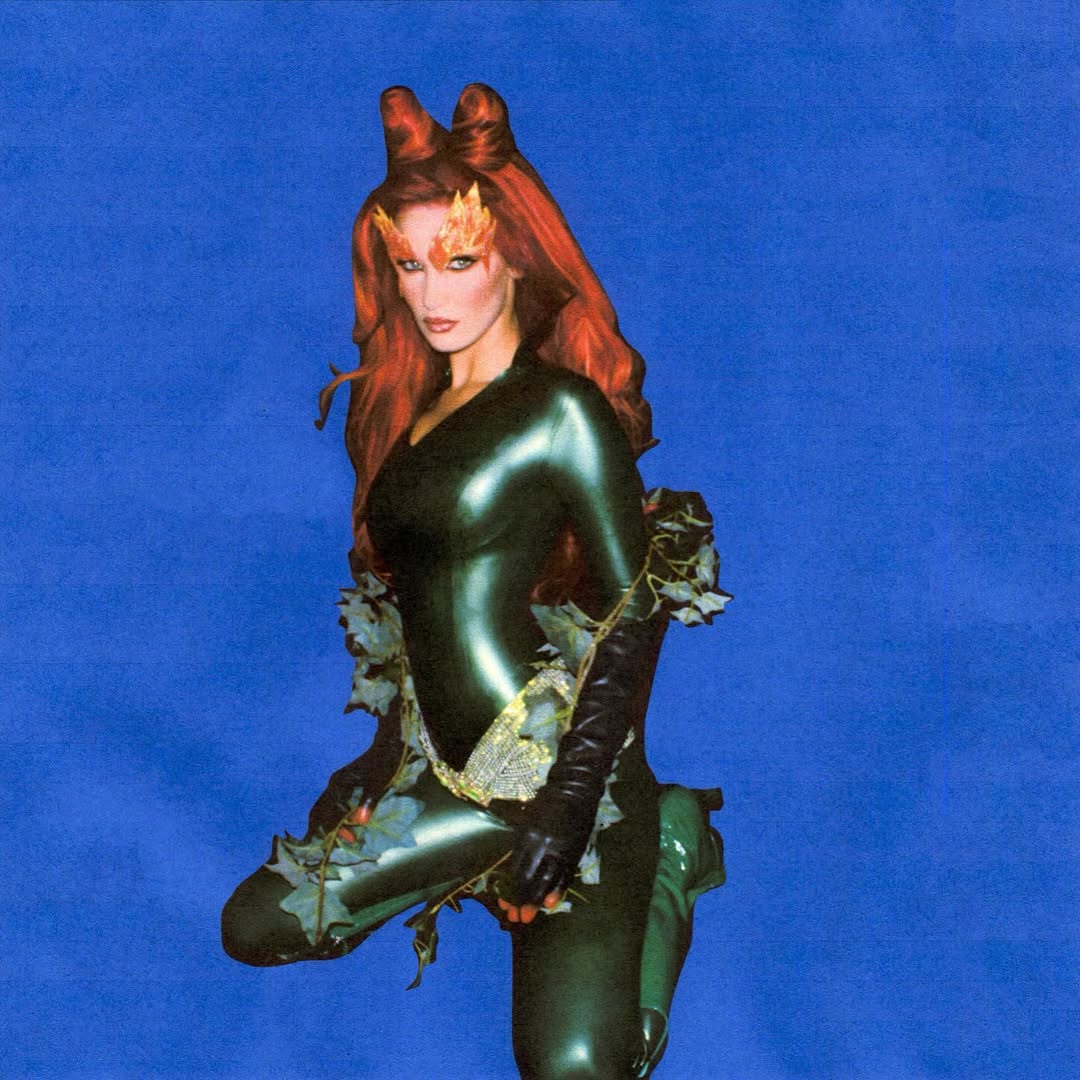
Bella Hadid’s personal style has become an archive of fashion history reimagined for the present. Drawing from early 2000s minimalism, vintage silhouettes, and experimental tailoring, her off-runway looks influence trends globally. Designers, stylists, and editors watch her not to predict fashion, but to understand where it is going.
Her style is instinctive, curated without appearing constructed. It reflects confidence rooted in self-awareness rather than performance.
Beyond the Image
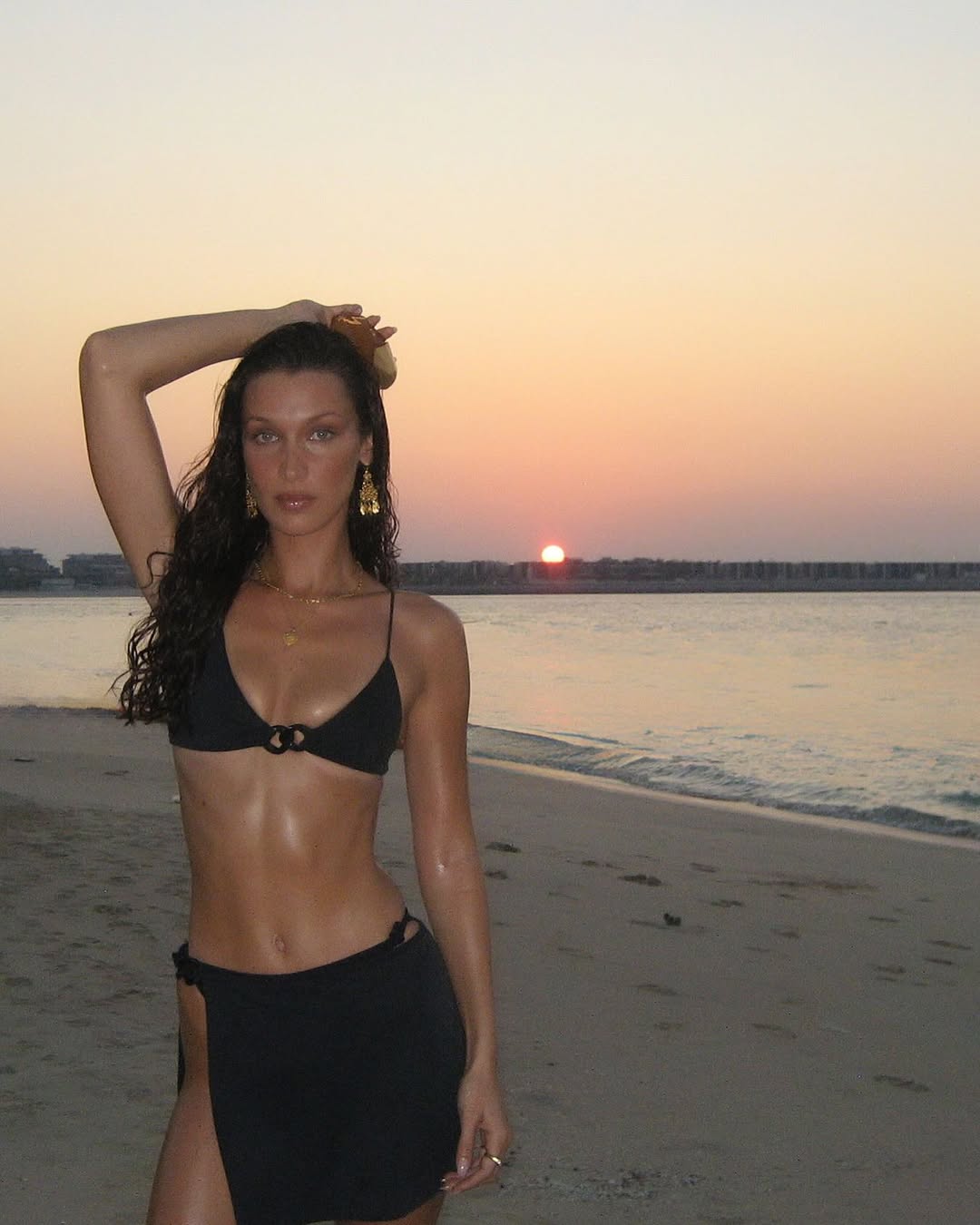
Beyond modeling, Bella has emerged as a voice within the industry advocating for health, creative autonomy, and ethical awareness. She approaches her career with intentionality, selecting projects that align with her values rather than visibility alone. This discernment has allowed her longevity in an industry that often consumes its icons too quickly.
The Auréline Verdict
Bella Hadid is not merely a fashion icon, she is a mirror of her time. She represents a generation that demands honesty, depth, and emotional truth from the images it consumes. For Auréline Magazine, Bella Hadid is fashion’s most compelling muse: expressive, evolving, and profoundly human.
Images credit: @bellahadid
