
Background & Early Life
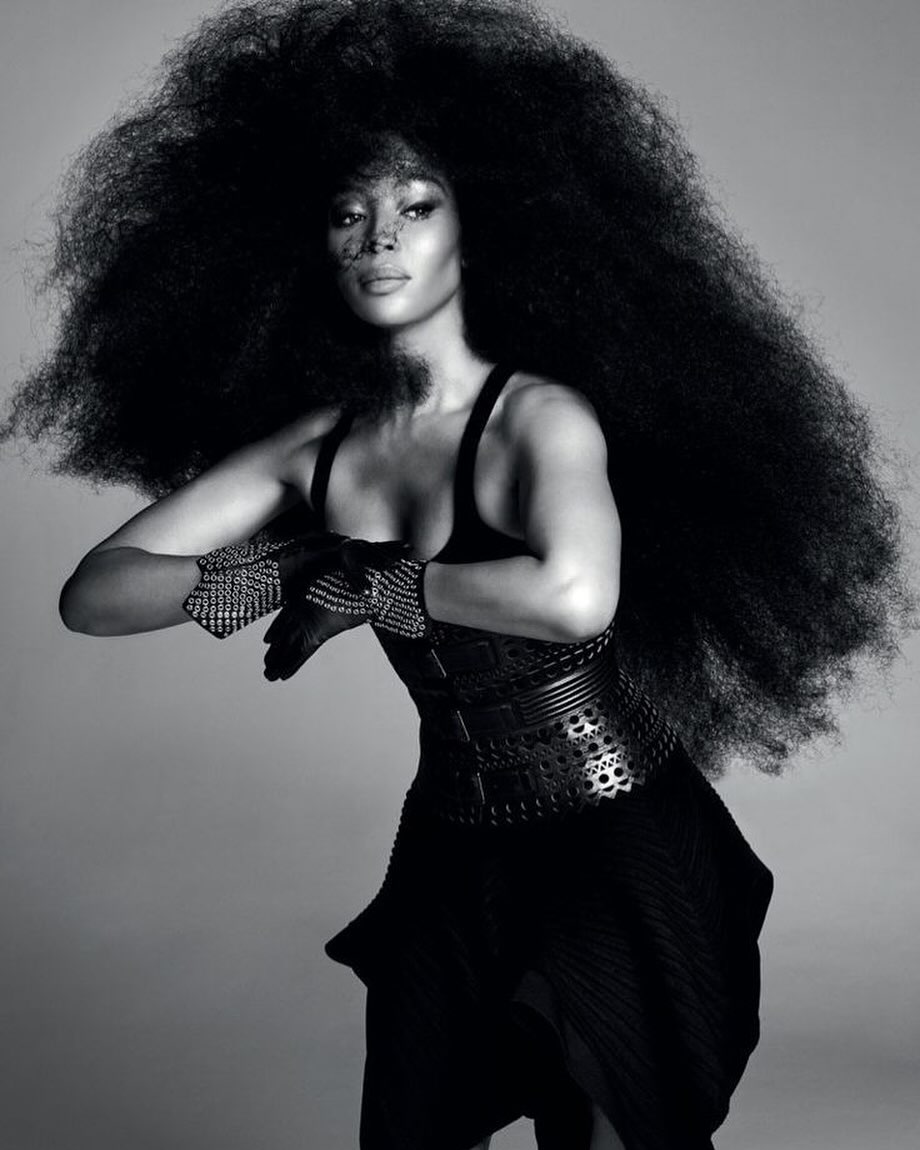
Naomi Elaine Campbell was born on May 22, 1970, in Streatham, South London, into a world shaped by creativity and movement. The daughter of Jamaican dancer Valerie Morris, Naomi was immersed early in artistic discipline. She trained at the Italia Conti Academy of Theatre Arts, studying ballet and performance, foundations that would later define her legendary runway walk.
Discovered at just 15 years old, Naomi’s entry into fashion was sudden, but her rise was anything but accidental. Even as a teenager, she possessed an authority that set her apart, an instinctive understanding of presence, posture, and power.
The Rise of a Supermodel Era
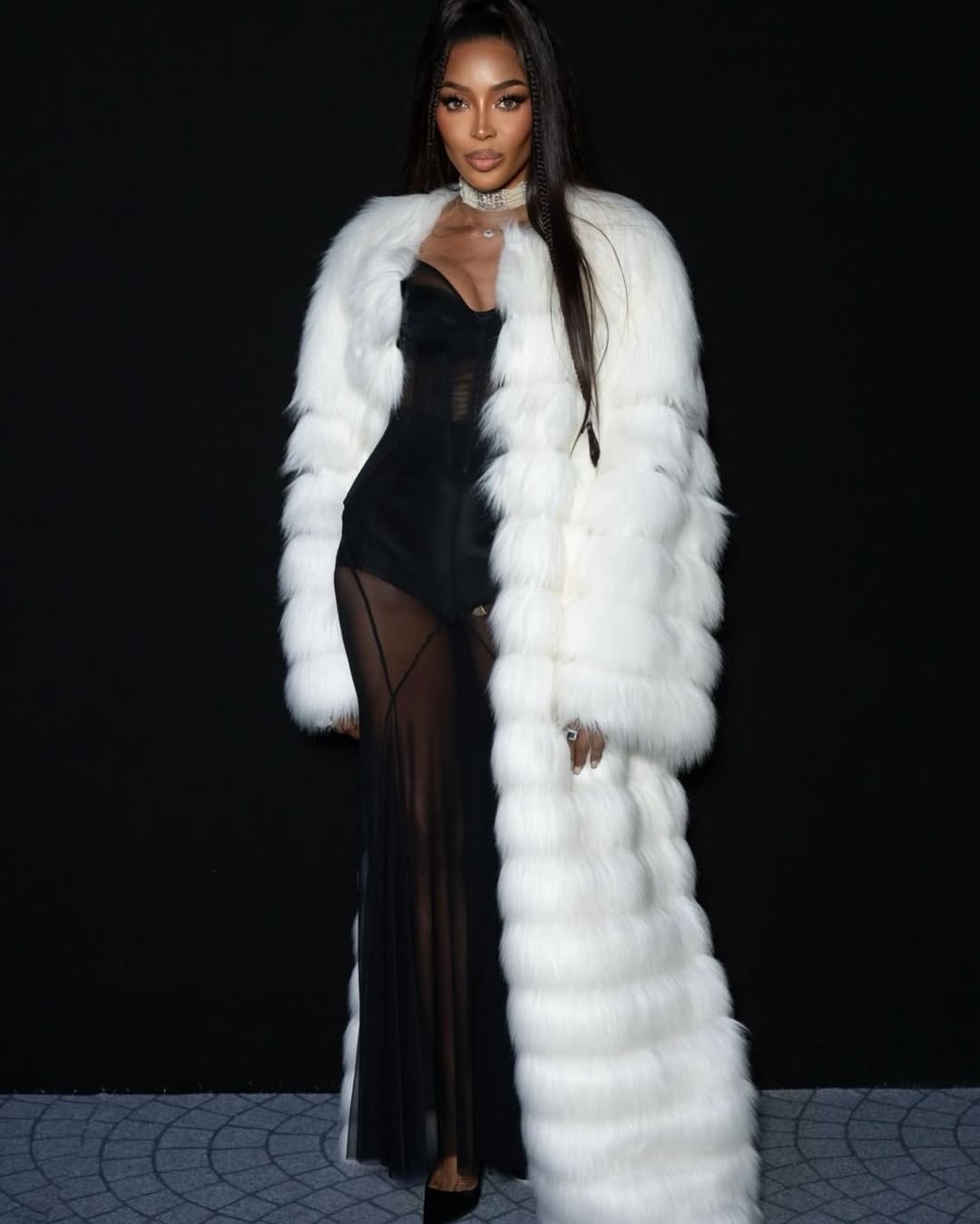
Naomi Campbell emerged at a time when fashion was rigid, exclusive, and deeply resistant to change. Yet her ascent helped rewrite its rules. Alongside a small group of elite peers, she became one of the original supermodels, transforming modeling into global celebrity and cultural influence.
Her career unfolded across decades, not seasons. Naomi walked for the world’s most prestigious fashion houses—Versace, Chanel, Dior, Yves Saint Laurent, Valentino—not as a novelty, but as a necessity. She was not invited into fashion history; she claimed her place within it.
The Walk That Changed Fashion
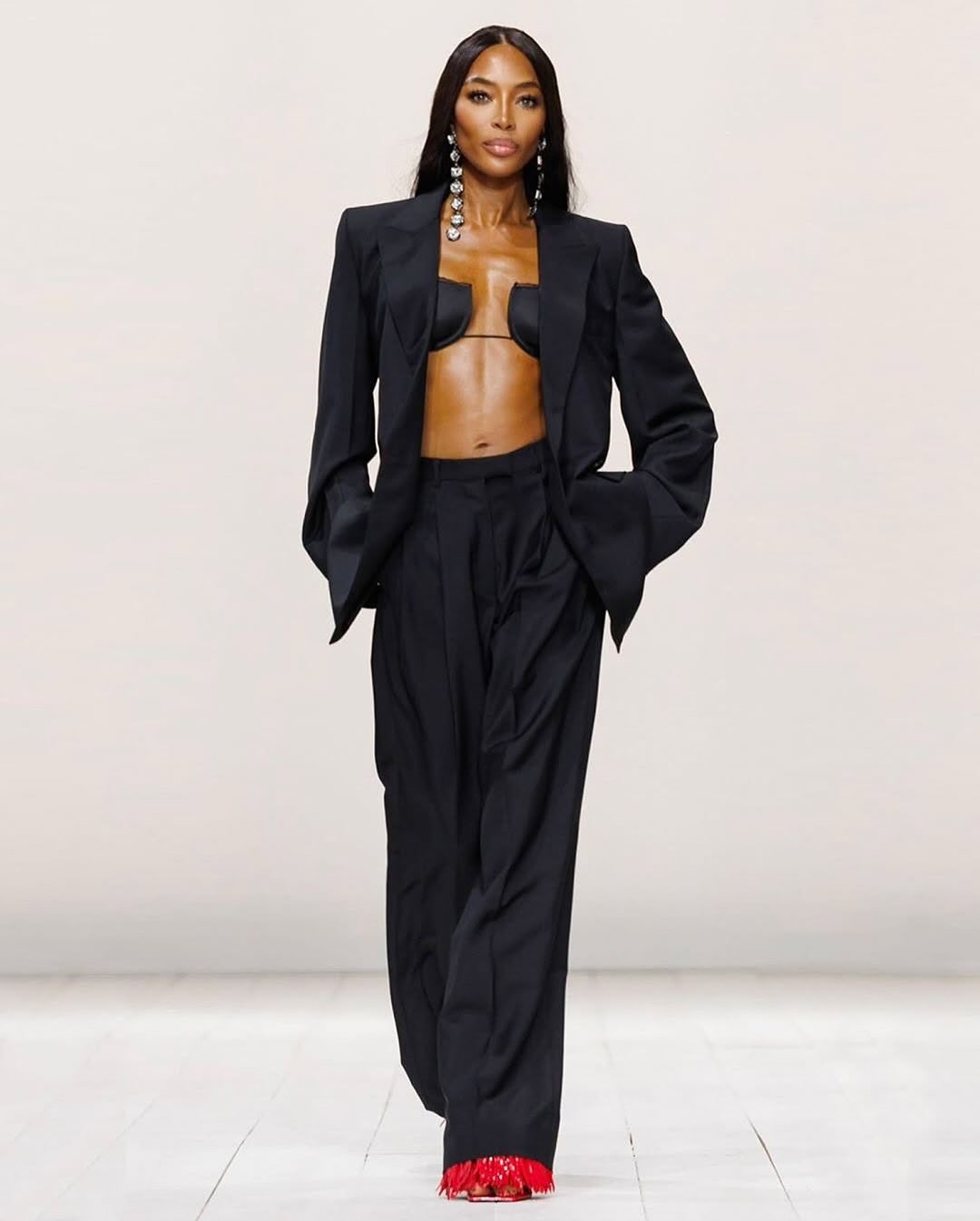
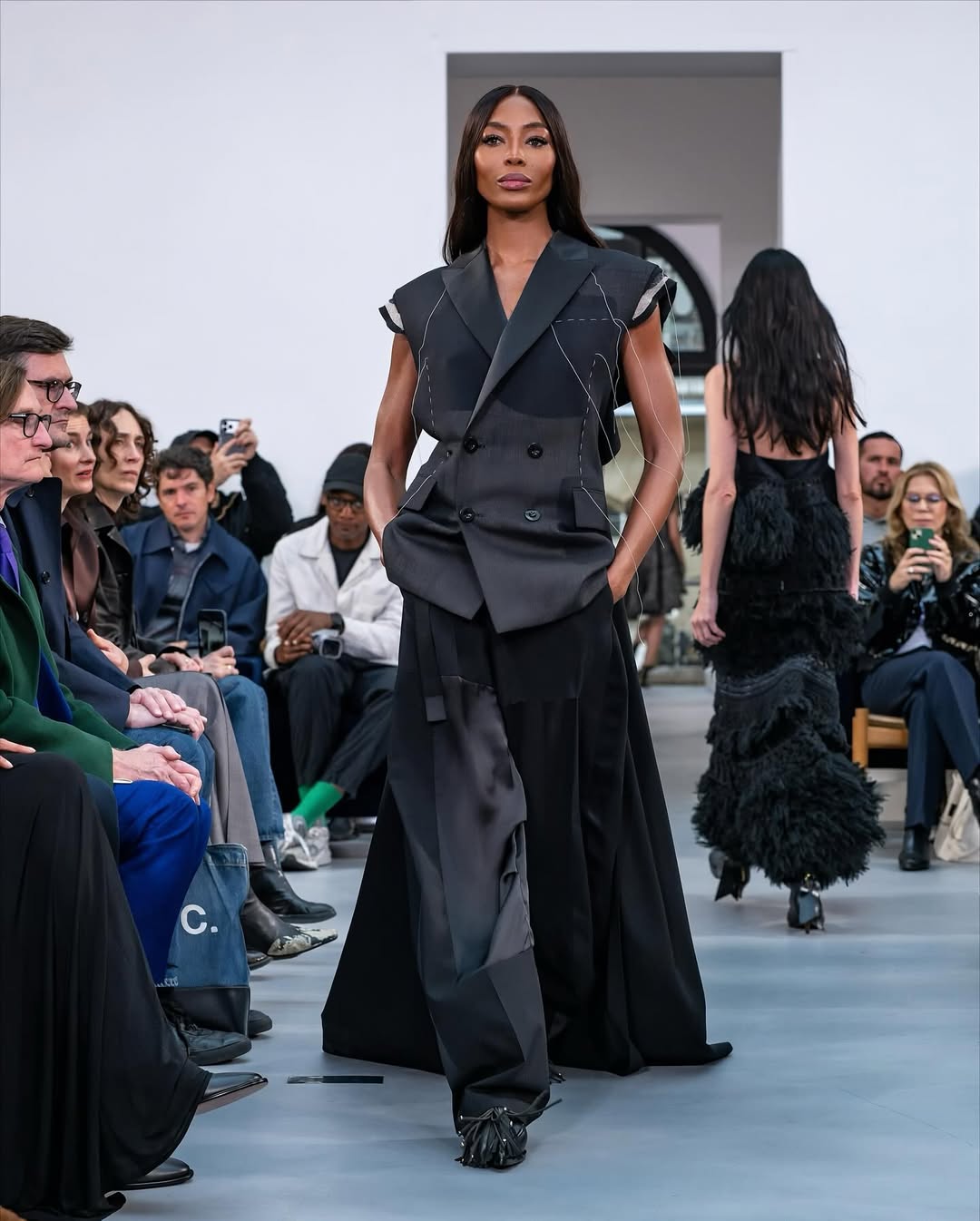
There is no discussion of Naomi Campbell without acknowledging her walk, arguably the most iconic runway walk of all time. It is powerful, rhythmic, unapologetic. More than movement, it is declaration.
Designers built collections with Naomi in mind, knowing she could command a room in silence. Her presence elevated garments into statements, runways into moments. To this day, her walk remains a benchmark—studied, referenced, and unmatched.
Breaking Barriers & Redefining Power
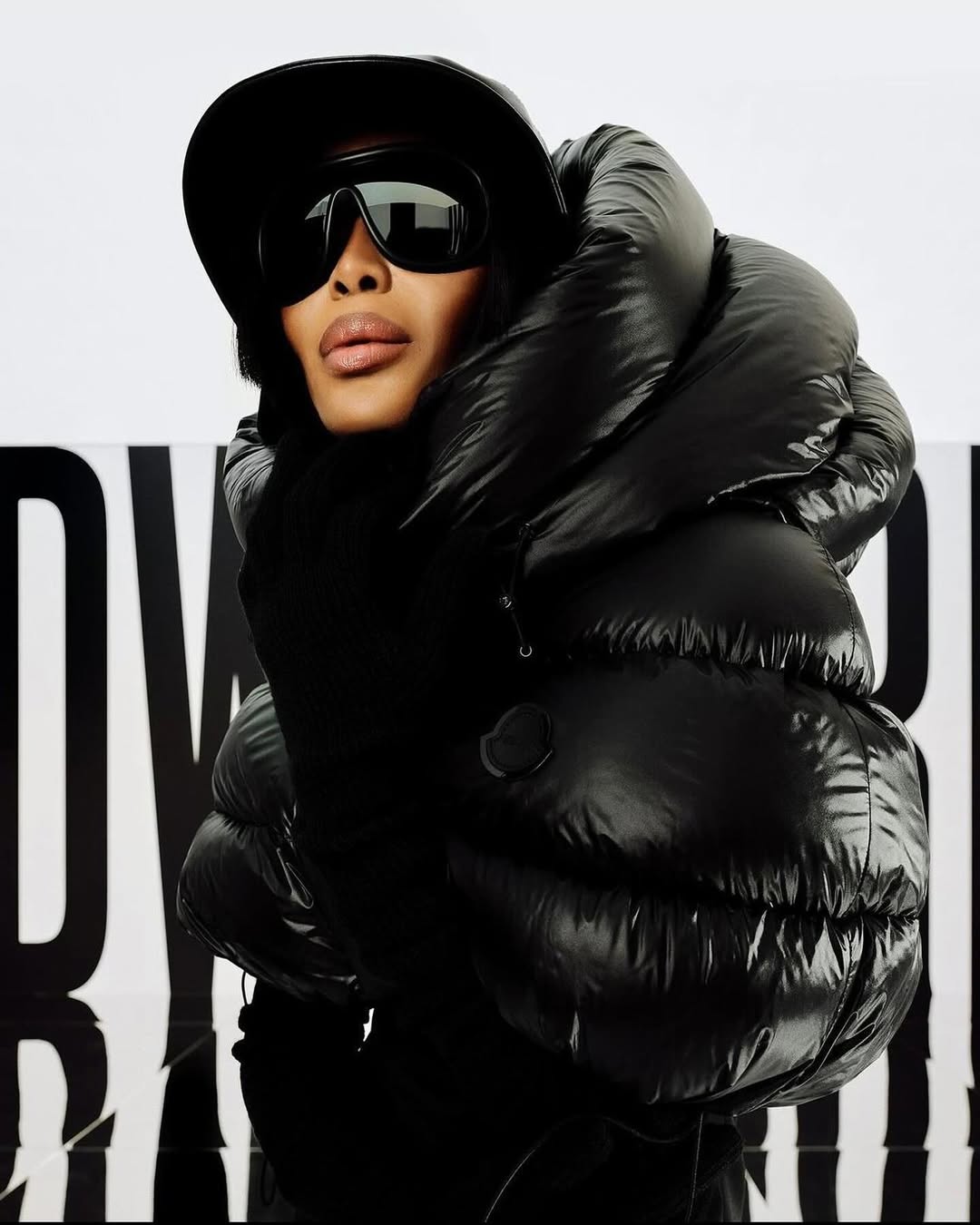
Naomi Campbell did not merely succeed in fashion, she challenged it. As one of the first Black models to grace the covers of Vogue, Time, and French Vogue, she confronted systemic exclusion head-on. Each milestone carried weight beyond personal achievement; it signaled progress in an industry slow to evolve.
Yet Naomi never asked to be accepted quietly. She demanded equity, respect, and excellence. Her refusal to be diminished reshaped conversations around race, representation, and power in fashion.

Style Identity: Timeless Authority
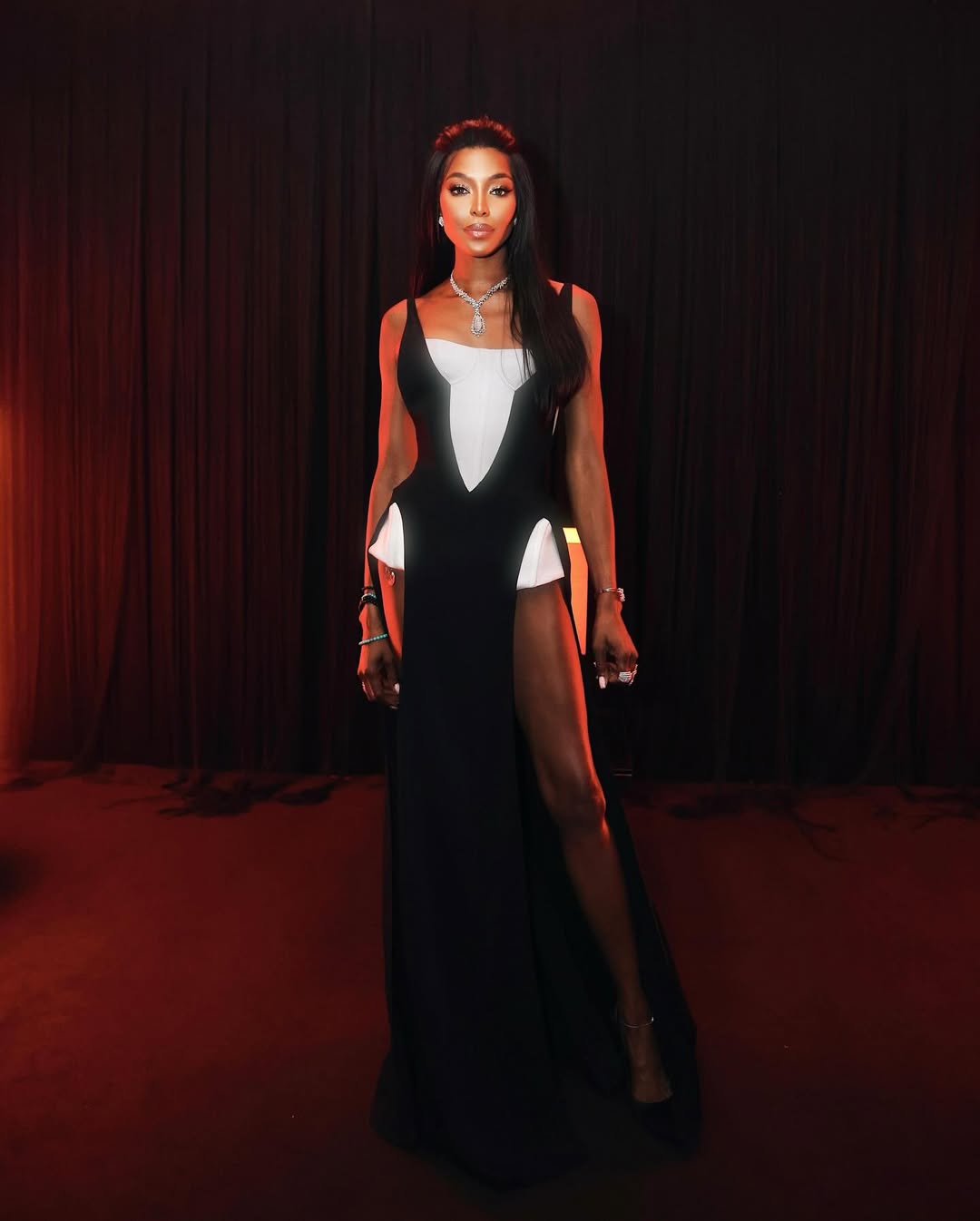
Naomi’s style transcends trend cycles. Whether in sculptural couture, minimal tailoring, or archival gowns, she wears fashion with authority rather than ornament. Her beauty is not decorative, it is commanding.
Even decades into her career, Naomi continues to dominate runways and campaigns, proving that relevance is not bound by age but by presence. She is not nostalgic fashion history; she is current, active, and influential.
Beyond the Image
Beyond modeling, Naomi Campbell has leveraged her platform for philanthropy, advocacy, and mentorship. Through initiatives supporting global health, education, and emerging designers, particularly from Africa, she has extended her influence beyond the lens.
She remains deeply involved in shaping the future of fashion, not just as an icon, but as a guardian of its evolution.
The Auréline Verdict
Naomi Campbell is not simply part of fashion history, she is its living force. Her legacy is built on strength, defiance, elegance, and endurance. For Auréline Magazine, Naomi represents the highest expression of power in fashion: unapologetic, uncompromising, and eternal.
Images credit: @Naomi
